How it works
From scattered evidence to a compliant Digital Product Passport.
A guided evidence pathway for any product passport: move logically from product identity and materials through assurance, circularity, performance and conformity. Batteries are the first to apply.
First deadline: the EU Battery Passport
18 February 2027
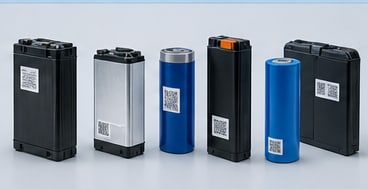
Under EU Regulation 2023/1542, EV batteries, LMT batteries and industrial batteries above 2 kWh placed on the EU market are subject to the battery passport requirement. The passport must be accessible through a QR code and use structured, machine-readable and interoperable data. It is the first EU Digital Product Passport to apply; the same evidence approach carries over to the product categories that follow.
View Regulation (EU) 2023/1542What do you need to comply with?
Different obligations, one data programme.
Battery passports apply from 18 February 2027, and other product groups follow under the Ecodesign for Sustainable Products Regulation. Because the data they need overlaps, portfolios benefit from one shared collection and governance process rather than a project per regulation.
Common compliance challenges

Fragmented data ownership
Critical evidence is split across suppliers, finance systems, factory systems, product-design files and the product’s own monitoring software. No one team holds the full set.

Information that will not stand still
A passport has to stay current for the product's whole life. For batteries, state of health, charge status and cycle history change as it is used.

Rules still taking final shape
Delegated legislation and implementation guidance continue to clarify how obligations work in practice.
Identity at portfolio scale
Every relevant model, batch and item needs a dependable identity without slowing the wider product range.

Registry-ready architecture
The data layer must exchange information with EU infrastructure and remain portable between providers.

One model across product categories
Batteries now, other product groups next: different obligations still need one internal process, ownership model and source of truth.
The evidence trail
One evidence trail, organised in seven stages.
Work from classification through publication, involving suppliers where they own the source and validating every hand-off. Shown here for a battery, the first passport to apply; other product groups follow the same stages with their own data points.

Product identity
Manufacturer, model and persistent unique identifiers

Material profile
Chemistry, composition, critical inputs and hazardous substances

Emissions evidence
Lifecycle study, carbon result and applicable performance class

Supply-chain assurance
Responsible-sourcing records and supporting due-diligence evidence

Circularity records
Recycled content, repair, dismantling and end-of-life information

Performance data
Capacity, voltage, durability, lifetime and operating conditions

Conformity & marking
Declarations, test evidence, product labels and QR readiness
One governed product passport.
Reached through the product's QR code, as structured, machine-readable data.
From product scope to market entry.
- Step 01Gap Analysis
Review the full product portfolio
Identify which products need a Digital Product Passport now, starting with batteries, and which categories are expected to follow.
- Step 02Gap Analysis
Determine the specific EU regulatory requirements
Define exactly what information, technical documentation, labelling, declarations and digital data are required for each product category.
- Step 03Gap Analysis
Create a product-by-product compliance matrix
Map the product or category, applicable EU regulations, compliance requirements, required data fields, documentation, QR code or DPP requirements, and all outstanding gaps or actions.
- Step 04Software Solutions
Create a cohesive, structured and exportable data format
Capture the required information in a software-readable form that can support compliant QR codes and Digital Product Passports, for batteries first and other product categories as they are defined.
- Step 05Software Solutions
Develop the QR code and data process
Keep the underlying information accurate, complete, current, machine-readable and interoperable rather than producing a static QR code.
- Step 06Consulting & Advisory
Establish regulatory support and liaison
Enable the responsible team to engage EU regulatory or market-surveillance bodies and resolve QR code or passport issues promptly.
- Step 07Consulting & Advisory
Support successful EU market entry
Identify and resolve regulatory issues in advance to minimise delays when importing or placing products on the EU market.
How we can help
Three services, one route to market.
Each step belongs to one of three services. Most manufacturers, suppliers and public bodies start with a Gap Analysis of one product line, then add the others as they need them.
Steps 01–03
Gap Analysis
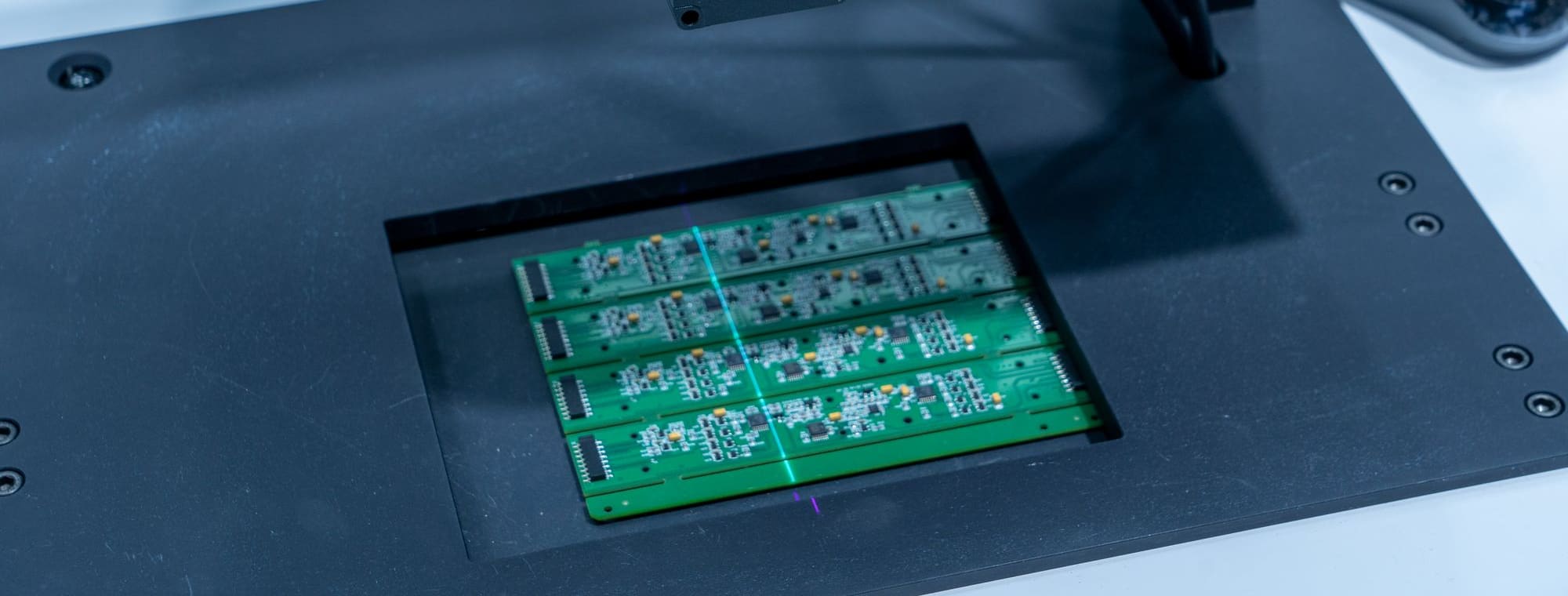
The practical starting point: which passport requirements apply to each product, what evidence you already hold and what is missing.
About Gap Analysis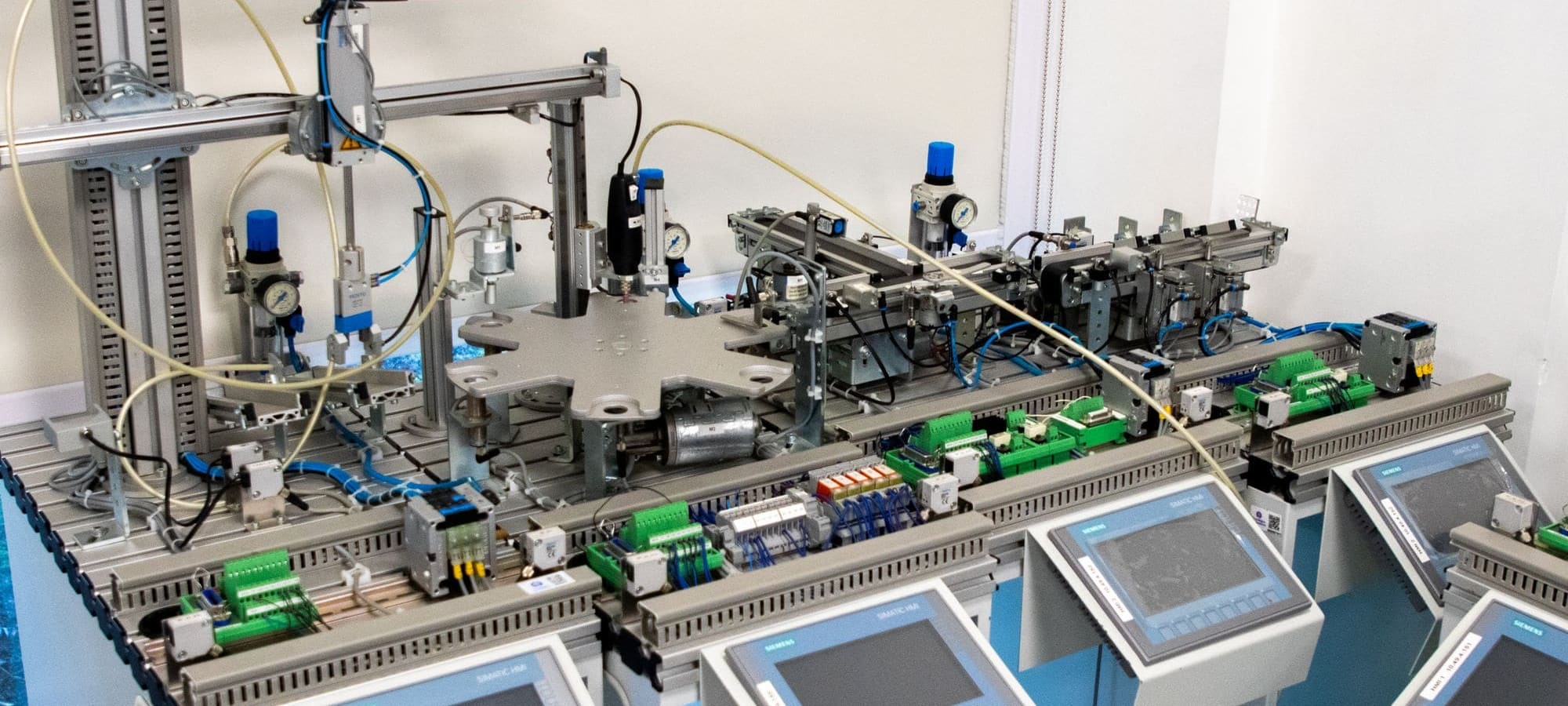
Steps 04–05
Software Solutions
The guided software layer that turns documents and system exports into a living evidence package behind each passport.
About Software Solutions
Steps 06–07
Consulting & Advisory
Supplier coordination, internal workflow, sustainability evidence and regulatory liaison through to EU market entry.
About Consulting & Advisory
What compliance-ready data unlocks
Data that does more than meet the regulation.
Structured and connected product data does more than satisfy a regulation. It improves the reliability and speed of decisions across the value chain.
Faster controlled data exchange
Fewer hand-built reports
A platform for new services
Better circularity evidence
Stronger supplier visibility
Greater confidence in product claims